

A quilt shop breaks a general POS system fast
Todd started where anyone would, with the systems a small retail shop might consider. He knew technology. He didn’t know the sewing business.
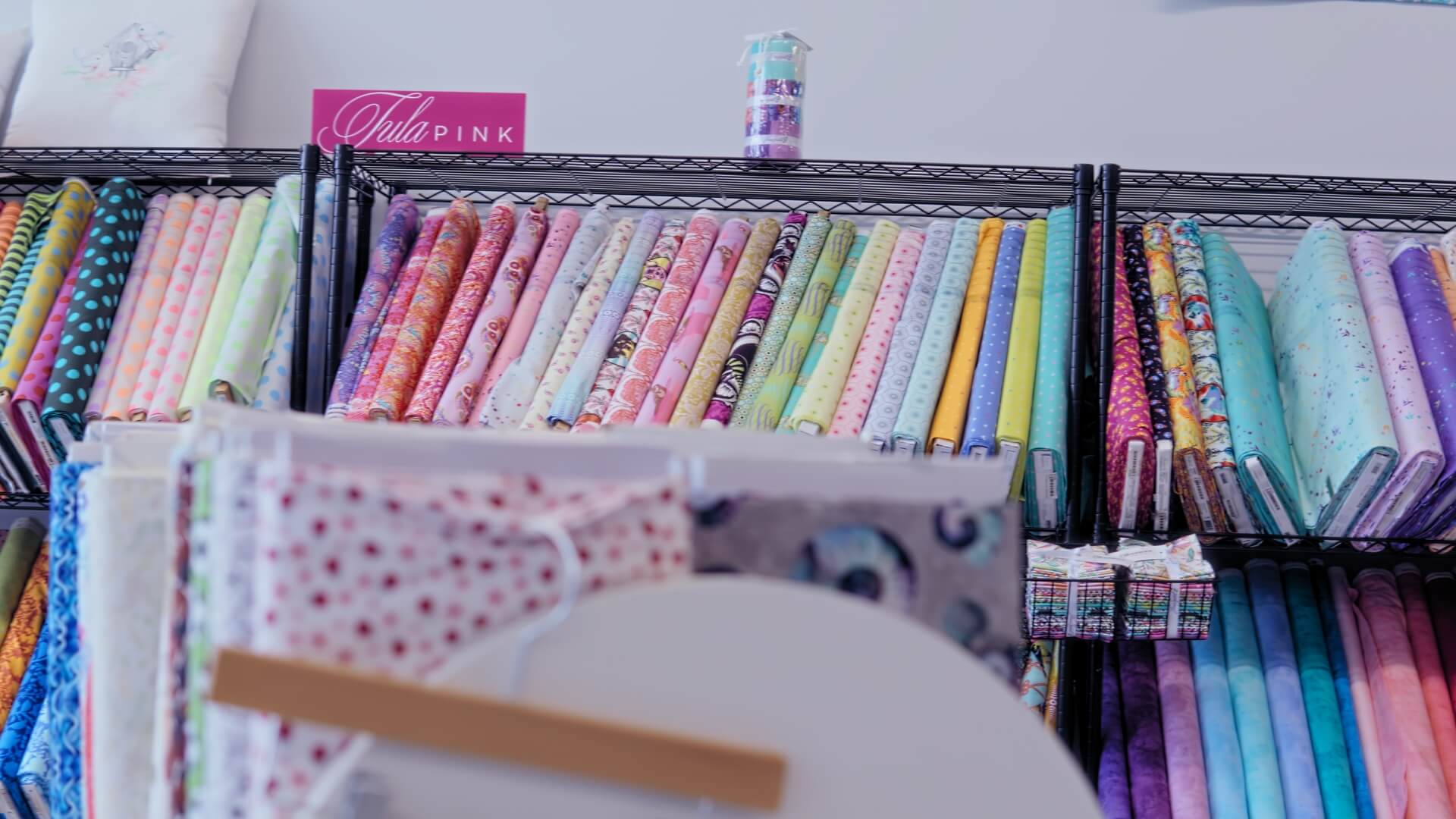
Kelly had sewn her whole life, and the more Todd talked with her, the clearer one gap became. Customers don’t buy fabric in whole units. They buy a yard and a half, or three quarters, or an eighth, and someone has to cut it and ring it up without turning the sale into a math problem.
“Nobody did fractional yardages for point of sale systems. I looked at it and said, this is going to be really difficult if we’re having to convert yardages to decimal and back.”
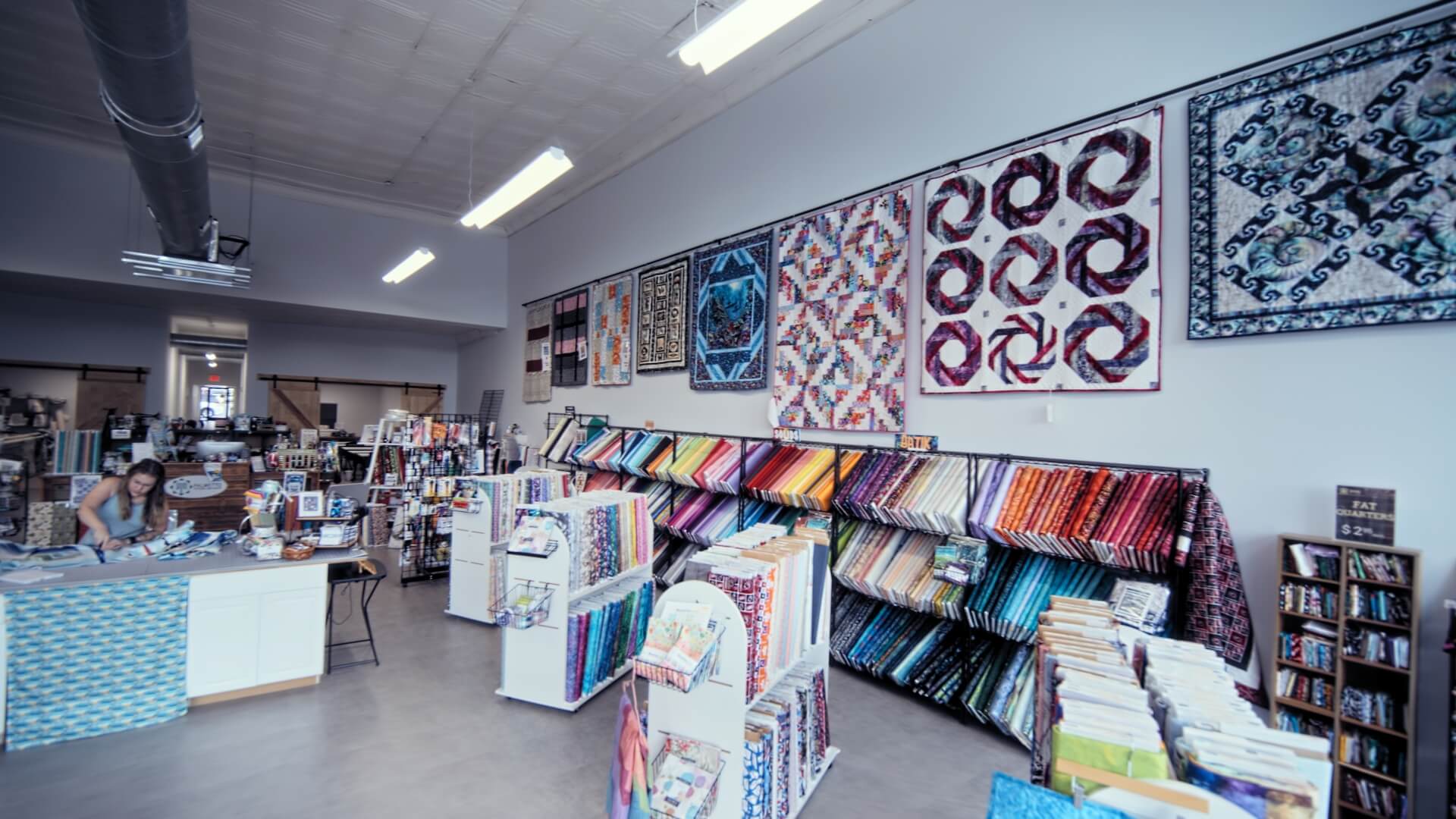
Like Sew sells fabric down to an eighth of a yard. For a shop carrying 1,700 bolts, that removes conversion from the most common transaction in the building.
They found support that knows quilt retail, not just software
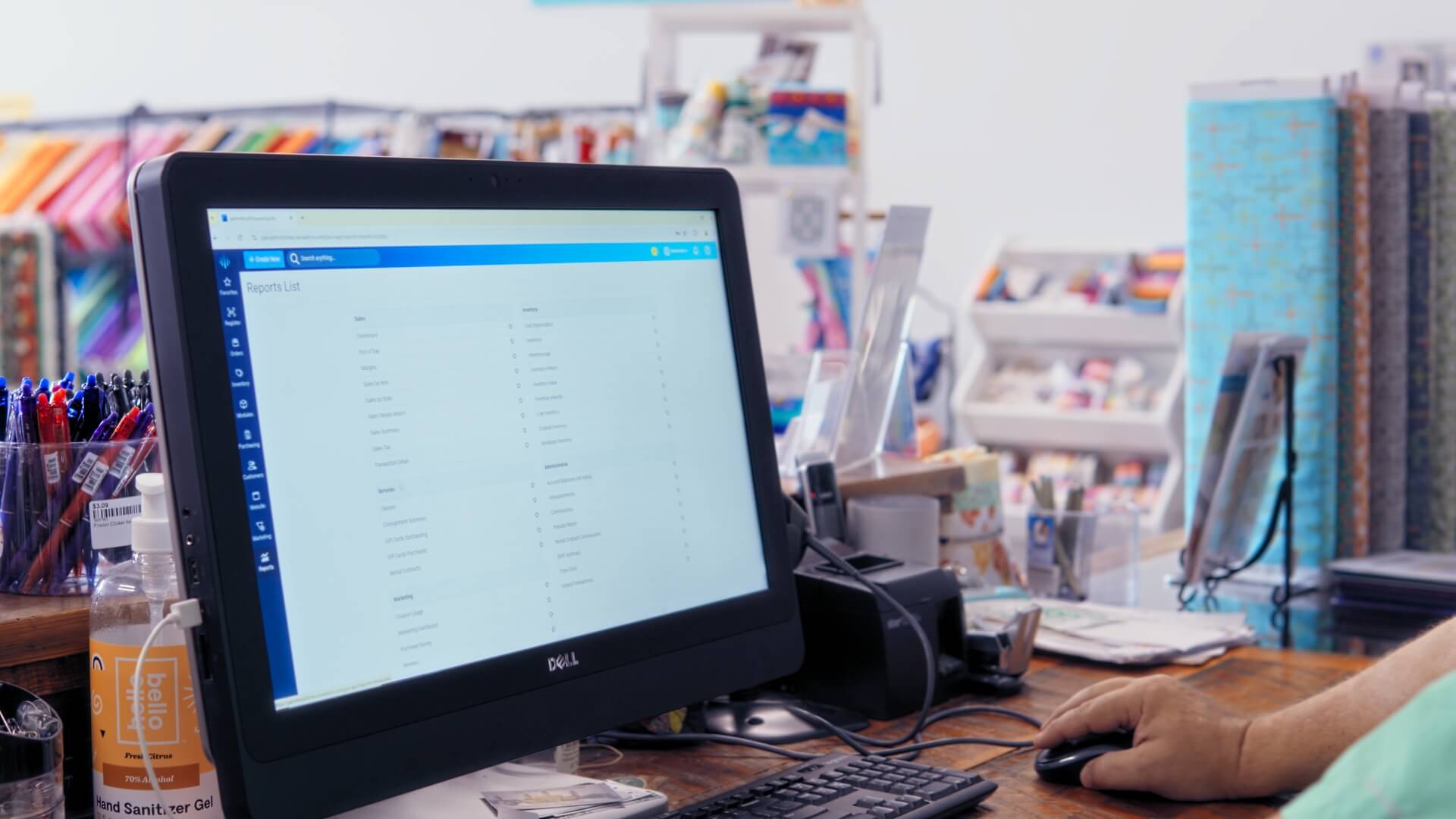
Todd understands how to evaluate software. Setting up a quilt shop was a different problem, and neither he nor Kelly came in with a retail background.
They researched the obvious requirements, but they couldn’t make a checklist of things they didn’t know existed yet.
“With Like Sew, we were talking to not just tech people, which was my background, but we were talking to people who knew this business.”
The onboarding team asked about the shop itself and walked the Warnocks through decisions they hadn’t thought to prepare for.
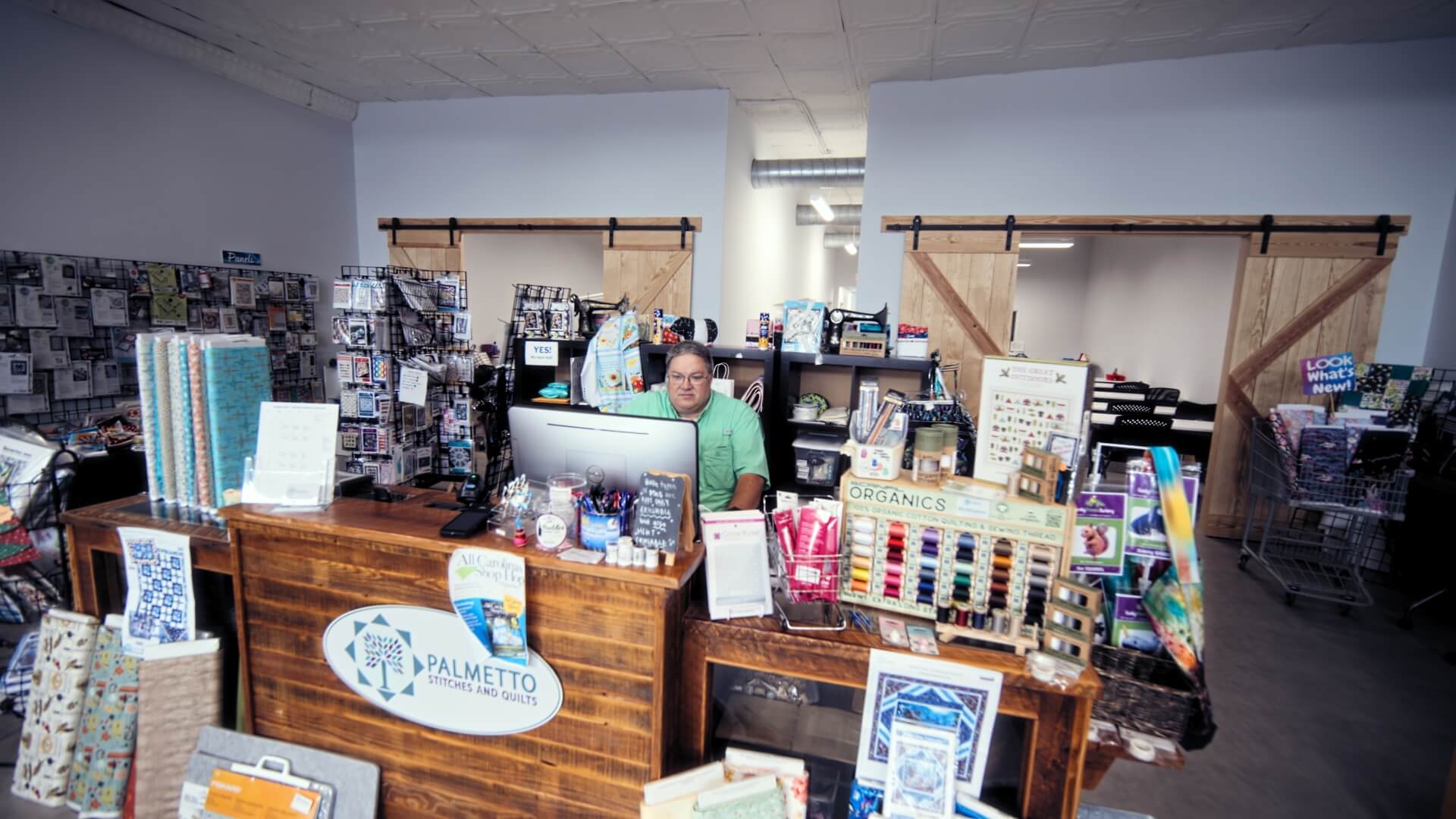
“A lot of times, I didn’t know the questions to ask. They asked questions that I didn’t know the answer to, and the beauty was that they were able to walk us through those processes.”
That support became an ongoing relationship. Todd and Kelly know members of the Like Sew team by name, and those same people know their setup.
Todd and Kelly also approach technology from opposite ends. Todd wants the technical detail. Kelly wants an answer without it. Both calls get handled.
“It’s a big enough company that they’re doing some really cool stuff from an innovation standpoint, but a small enough company that they know who I am when I call. Problems get solved.”
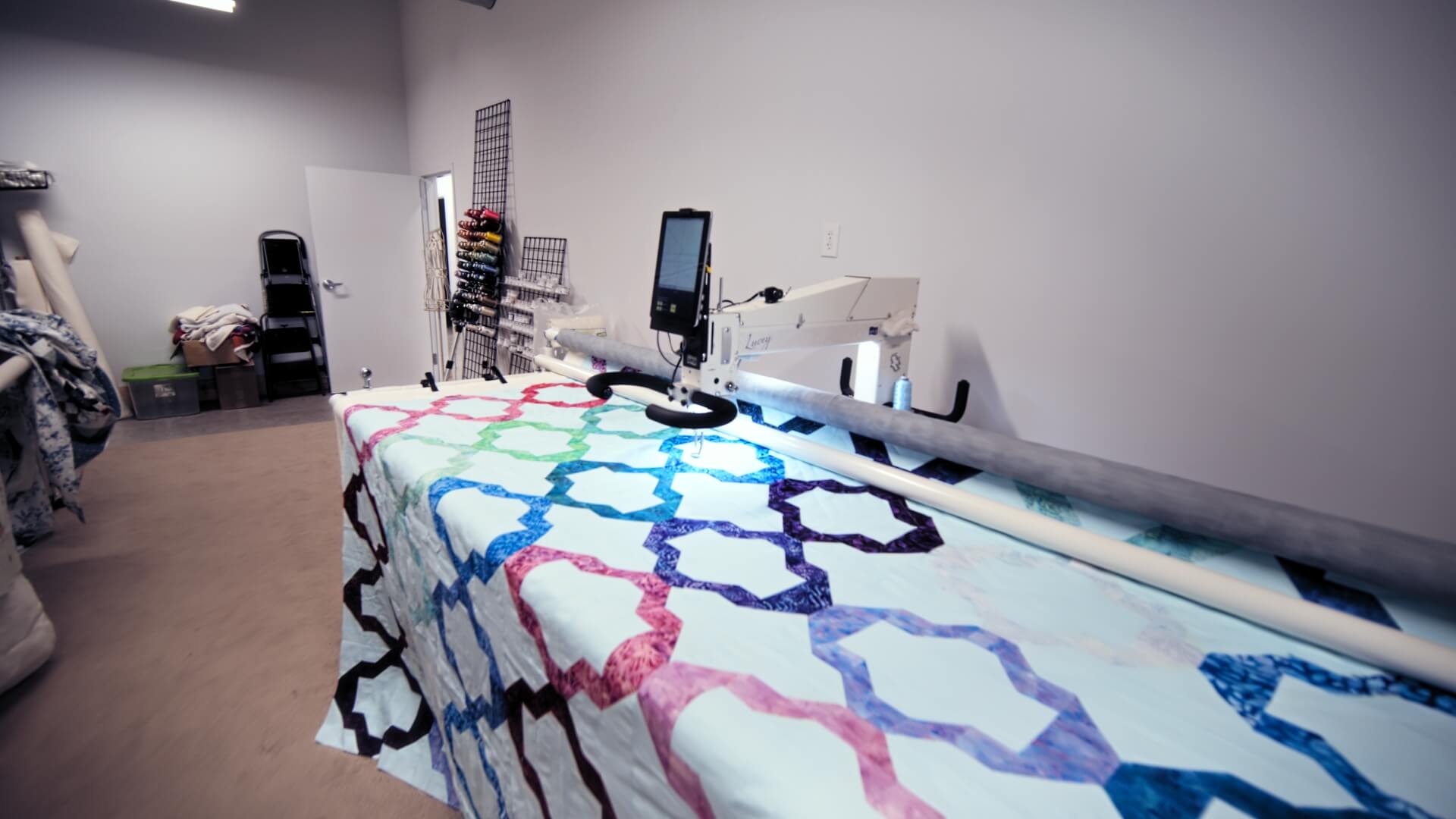
The store doesn’t wait for an owner to show up
Todd and Kelly knew their schedules before they opened. Neither would work the sales floor full time, which made remote access part of the buying decision rather than something they wished for later.
Staff still get stuck occasionally — processing an unusual transaction, selling a gift card, or working through something they were walked through weeks ago. Like Sew runs in a browser, so Todd can reach the full system from wherever he is and take it from there.
“It’s really been helpful for me, literally driving down the road with my cell phone, to be able to get on the phone with an employee here in the store and talk them through the process. Then, from my cell phone, walk a customer all the way through the process, put that transaction on pause, have the employee here in the store pick it back up, take the payment, and deliver the goods.”
Less time is spent on the software, so more time can be spent on the shop
Some parts of running a shop are just tedious. Adding inventory usually means hunting down a product image and writing a description. Vendor catalogs pull both from a UPC.
The website and the sales floor also read from one inventory record. For a fabric shop, that matters more than it does for most retail, because a bolt that sold in person can’t be sold again online.
“[Like Sew has] integrated almost all of the products that we carry in the store with catalogs. When we add them, we simply put in a UPC number or a product description, and the picture and the description are automatically loaded.”
The reasons they chose Like Sew still hold up
Six years in, Todd feels the same about Like Sew as he did on day one. The software handles quilt retail, and the people behind it know the business well enough to fill in what the Warnocks didn’t.
“Like Sew has been great, and something we’d highly recommend to anybody who’s looking for a point of sale system,” Todd says.