


Should You Offer Longarm Quilting Services? Here’s How To Decide
The sewing and craft supplies retail industry in the U.S. is worth $5.2 billion in 2026, and the global sewing machine market is on track to reach $6.14 billion by 2033.
That’s a lot of people with needles, thread, and an increasingly clear point of view about what they want to make.
So, what are the sewing trends driving all that growth?
To understand where the industry is moving and what your customers will be asking for throughout this year, let’s dive into the emerging trends.
1. Fluid, Relaxed Silhouettes Replace Structured Tailoring
Structured, boned, and heavily interfaced garments are stepping back.
In their place is shape without stiffness — flowing silhouettes that feel designed but aren’t rigid. Think tulip skirts, bubble hems, balloon shapes, and softly draped bodices.
Industry data supports this shift. Bubble hems and ruffles are trending at 20% growth across textile markets in 2026, and tulip shapes and puffball skirts appeared consistently across spring and summer runways.
The best fabrics for this trend:
- Linen
- Cotton voile
- Double gauze
- Soft blends
What this means for your fabric store: Stock up on drape-friendly fabrics and elastic waistband supplies. Pattern bundles featuring beginner-accessible, fluid silhouette designs — palazzo pants, midi skirts, gathered dresses — will speak directly to sewists eager to ride this wave without a steep technical learning curve.
Related Read: Textile Inventory Management 101: The What, Why, and How
2. Intentional Patchwork & Visible Seams Go Mainstream
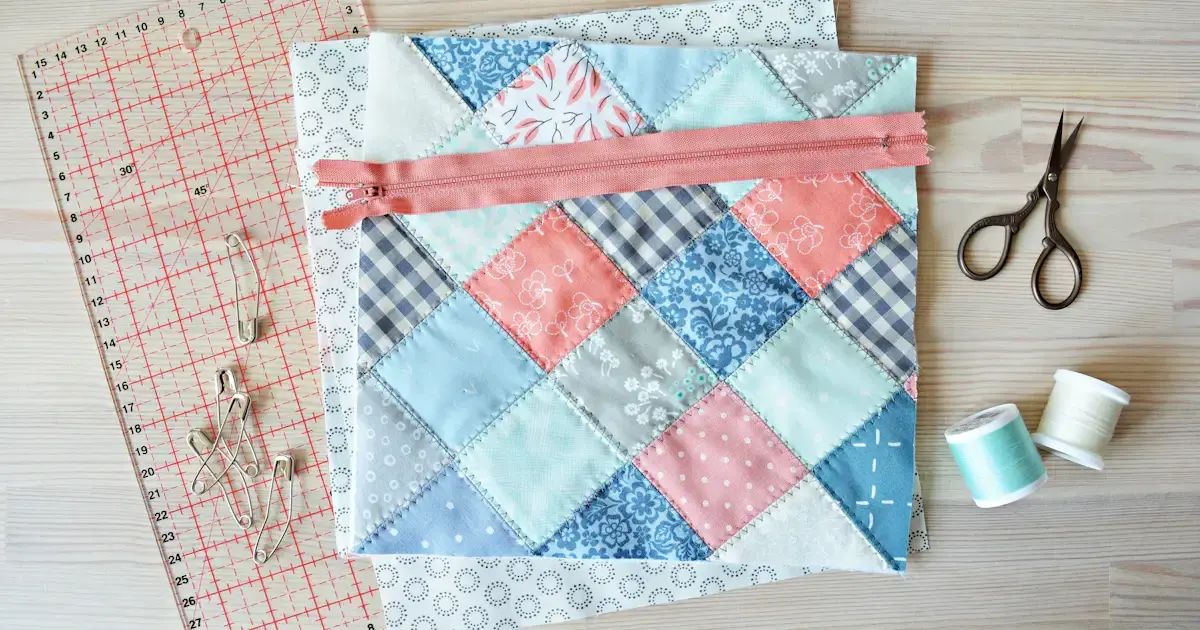
Patchwork has officially graduated from quilts to garments, and it’s not hiding anymore. In 2026, patchwork is bold, asymmetrical, and deliberately visible.
Etsy’s 2026 Seller Trend Report backs this up, noting that Gen Z is pushing back on fast fashion sameness and gravitating toward pieces with “sun-worn fabrics, visible mending, and little details that feel intentional.”
What this means for your fabric store: Bundle complementary fabric cuts and fat quarters specifically for patchwork garment-making, and pair them with curated “Contrast Topstitching Thread” sets. Then, support the sale with tutorial content. Planning an asymmetrical patchwork garment from scratch is exactly the kind of how-to that performs well on social media.
3. Visible Mending & Wabi-Sabi Repair Gain Momentum
Instead of hiding repairs, sewists are celebrating them. The philosophy of wabi-sabi — finding beauty in imperfection — has found a home in fashion.
Kintsugi-inspired textile repair (gold thread darning, decorative sashiko stitching over worn denim, embroidered patches over holes) transforms a garment’s damage into distinctive design elements.
The statistics put real weight behind this shift. Searches for “zero waste crafting” have grown by 150% on Pinterest.
The tools you need:
- Gold embroidery thread
- Sashiko needles
- Contrasting patches
- A darning mushroom
What this means for your fabric store: This sewing trend is a direct gateway to selling mending kits. Bundle gold or metallic embroidery thread, sashiko thread, and a darning mushroom into a single “Visible Mending Starter Kit” SKU. Mending content also performs exceptionally well for attracting new sewists. People who’ve never sewn before are willing to pick up a needle to repair something they love.
4. Sustainable & Natural Fabrics Take Center Stage
Sustainability is now expected.
60% of U.S. consumers prioritize sustainable products, and the sustainable fashion market — currently worth over $6.5 billion — is projected to reach $15 billion by 2030.
In 2026, Etsy’s Texture of the Year is washed linen. On the industrial side, lyocell (Tencel) markets are projected to double to $3.4 billion by 2032, and bio-based alternatives like mycelium leather and banana fiber are gaining ground.
For home sewists, this translates to:
- Linen
- Organic cotton
- Tencel
- Deadstock fabrics
- Natural-dye fabrics
What this means for your fabric store: Make your fabric sourcing story visible. “Where does this fabric come from?” is a question your customers are asking. Products with clear certifications — GOTS, OEKO-TEX — and transparency about fiber origins will earn stronger engagement and justify higher price points. Consider a dedicated “sustainable sewing” category or landing page to capture this growing search intent.

5. The One Statement Detail Steals the Show
Minimalism isn’t dead — it has evolved.
This year, the trend is taking a simple foundational pattern and giving it personality with a single standout feature — a dramatic puff sleeve, an unexpected fabric-covered button, a contrast-stitched hem, or a corded neckline.
Spring and summer 2026 runways show beautiful asymmetry in summer co-ords and bold tailoring details as the defining element in what are largely clean, streamlined pieces.
This is where home sewists have an advantage over fast fashion — the ability to add that one bespoke detail to an otherwise classic pattern.
What this means for your fabric store: Merchandise notions, trims, and specialty threads as “statement detail” add-ons at checkout. A flat-lay photo of a plain garment alongside a single dramatic button, ribbon trim, or contrast zip is an effective content format for this trend.
6. Luxury Loungewear & Elevated Athleisure Redefine Comfort
This sewing trend means loungewear good enough for going out — and sportswear you’re unlikely to actually play sports in. Think half-zip sweaters, cuffed joggers in premium French terry, and bomber jackets in elevated fabrics.
What separates this trend from pandemic-era loungewear is fabric quality. The aesthetic only lands if the fabric feels as good as it looks.
What this means for your fabric store: This is a strong upsell category. Position your premium jersey, French terry, and rib knit fabrics as a clear alternative to fast-fashion athleisure. Price-per-wear framing works well here: “Sew this once and wear it everywhere” speaks directly to the sewist who wants both comfort and versatility.
Related Read: 10 Trending Fabrics To Stock in Your Sewing Store
7. Earthy Grounds & Expressive Color Pops Make Their Mark
This year’s color palette is dual-natured.
On one side, warm, grounded earth tones:
- Espresso brown
- Deep moss
- Olive
- Clay
- Camel
On the other, expressive pops:
- Patina blue
- Glacial tones
- Warm yellow
- Deep pink
Pantone’s Color of the Year, Cloud Dancer, is described as “a lofty white that serves as a symbol of calming influence in a society rediscovering the value of quiet reflection.”
Textile trend data supports the broader color story: Romantic fabrics like lace and sheers are growing 13% in the U.S., with dot prints up 55% and zebra prints up 21%.
What this means for your fabric store: Curate color-led fabric collections and name them explicitly — “Cloud Dancer Whites and Creams,” “Espresso and Earth,” “Statement Blues.” Sewists buy for projects and for future inspiration, and a well-named collection drives both.
Stay Ahead of Sewing Trends With Like Sew
Staying ahead of sewing trends starts with knowing what’s coming, but you also need the tools to act on it.
Like Sew is an all-in-one point of sale (POS) system that helps fabric stores turn industry momentum into results with features built specifically for how you work:
- Extensive vendor catalogs: Spot new products and trends early.
- Event and class management: Promote workshops that grow your community.
- Fabric-specific POS tools: Track inventory, cut yardage, and manage orders easily.
- Built-in marketing tools: Highlight new collections, kits, and color stories.
- E-commerce integration: Keep in-store and online inventory perfectly in sync.
To see what Like Sew can do for your fabric store, schedule a live demo today.


With quilting in his DNA (his mother is a seamstress) and experience implementing cloud point of sale (POS) systems since 2017, Spencer brings personal passion and technical expertise to the fabric and industry.
He's witnessed firsthand how quilt shops embrace the digital revolution — from social media to AI-powered tools. This transition sparked his interest in helping store owners build effective digital marketing strategies without getting overwhelmed by constantly changing platforms.
“Exceptional in-store experiences — from check-in to check-out — remain the most powerful marketing tool any retailer has. I want local retailers to win, and providing them with the tools they need is my small contribution to their success.”